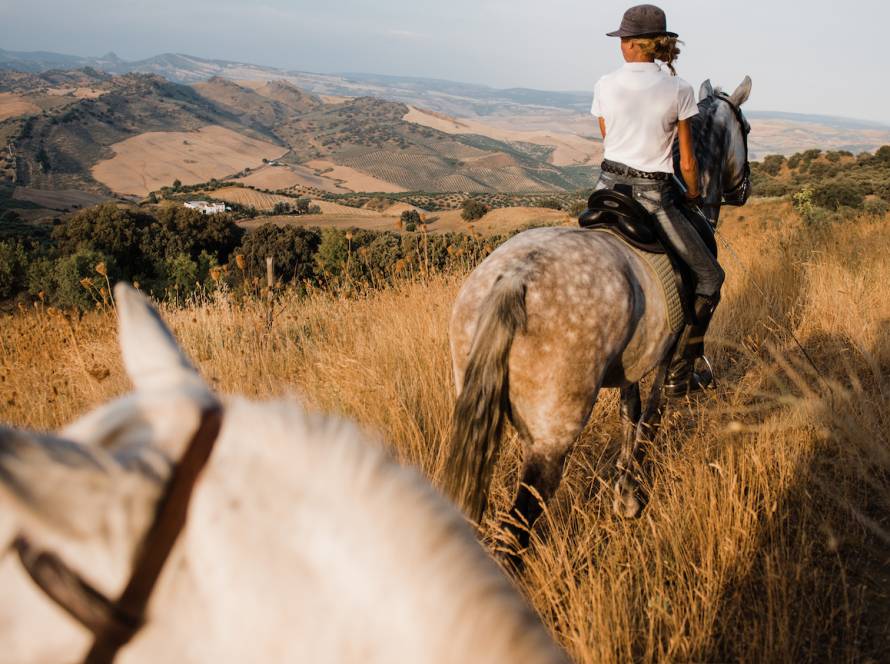
The Portuguese Relvas Saddle
The History & Inspiration
Written by Teresa Burton Founder Lusitano Heritage
The Relvas Saddle: Innovation within Portuguese Tradition
In 1880, in Ribatejo, a landowner, horseman and unlikely pioneer quietly reshaped Portuguese saddle design.
Carlos Relvas — aristocrat, accomplished rider, amateur bullfighter and one of Europe’s early masters of photography — lived in Golegã at a time when horsemanship was both art and daily skill. Raised among fertile lands and generations of horse breeders, he understood that riding was not display alone. It was balance, agility, feel.
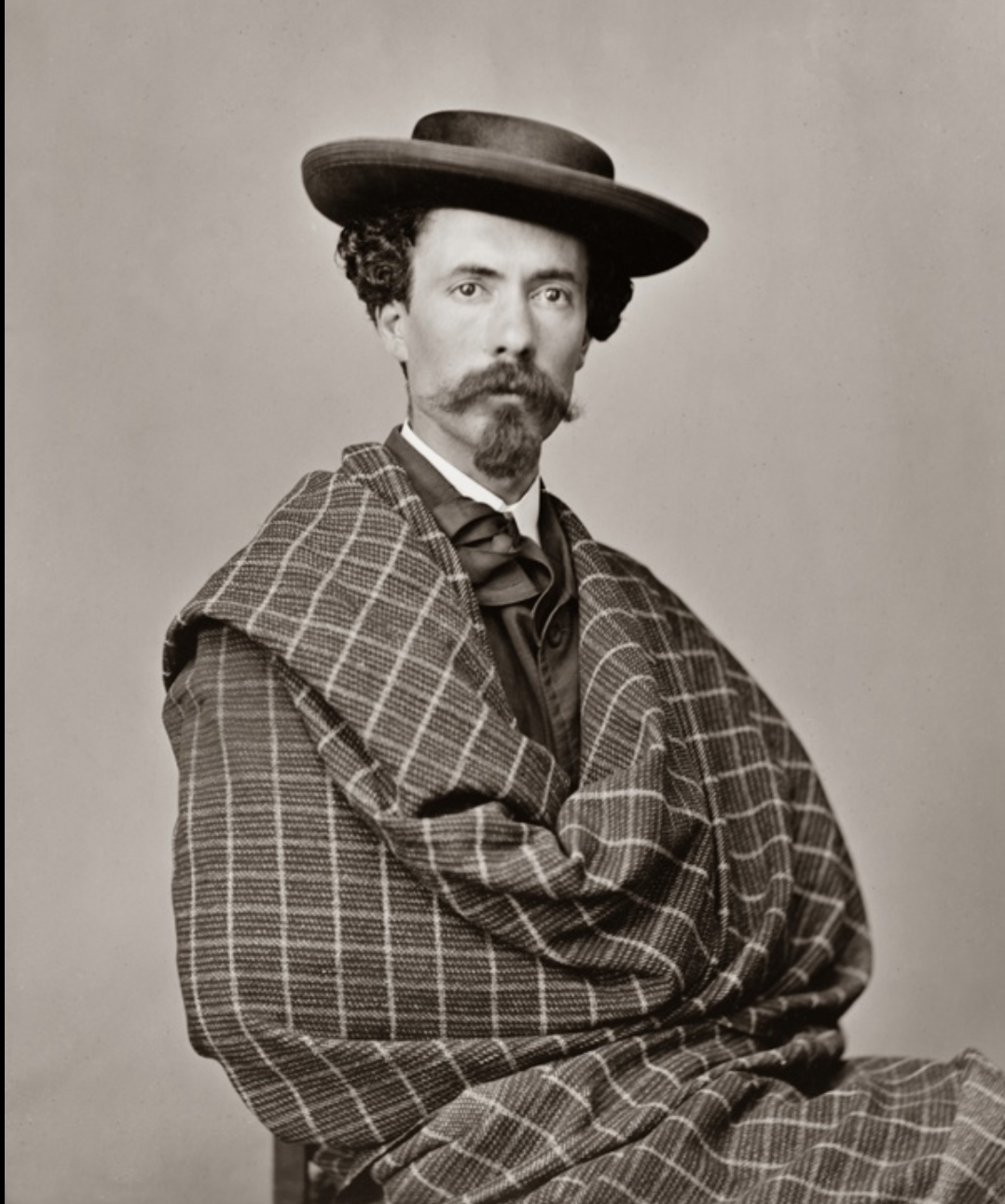
Carlos Relvas Golega
While schooling horses in the manga and performing in the bullring, Relvas sought greater freedom of movement in the saddle.
Traditional Portuguese saddles offered security with their high galleries and deep seat. English export saddles from Walsall provided mobility and lighter construction.
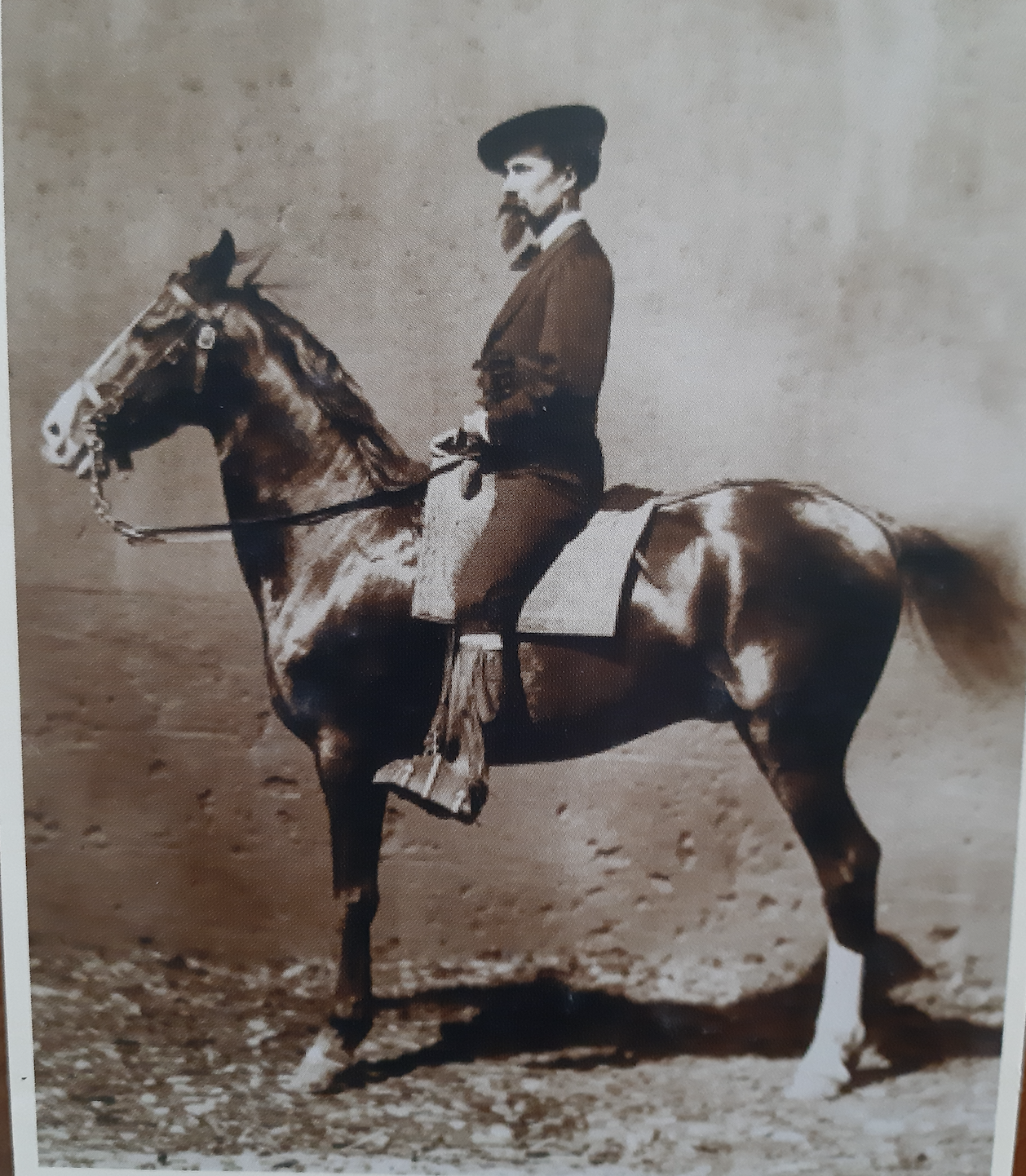
The Relvas Saddle combined the two.
The result was a refined schooling saddle — secure, yet allowing the rider greater mobility and subtle influence. A saddle born not from fashion, but from function.
Today, the Portuguese Relvas Saddle remains the training saddle of choice at the Portuguese School of Equestrian Art, while the more traditional high-gallery saddle is reserved for formal performances.
It is also widely favoured by Portugal’s elite Working Equitation riders, where precision and agility demand both security and freedom of movement.
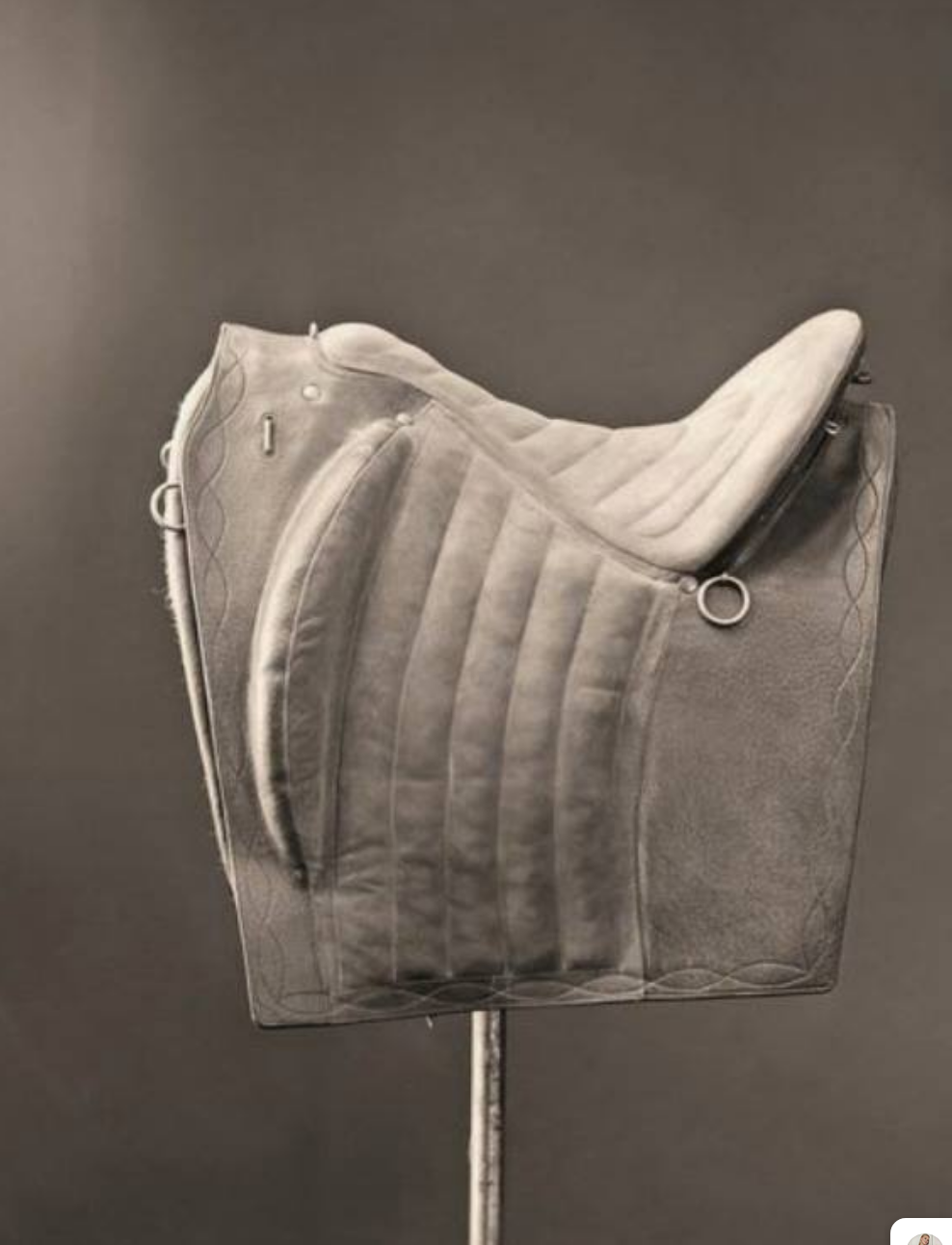
It is a reminder that Portuguese equestrian heritage has never been static. It evolved through thoughtful horsemen — rooted in tradition, yet unafraid to refine it in pursuit of better feel, better balance, and better partnership.
Perhaps that is what true heritage is: not preservation alone, but intelligent continuity.