

CASANOVA AT FORTE DA GRAÇA
The Union of Two Portuguese Heritages
On 5 September 2026, the monumental Forte de Nossa Senhora da Graça in Elvas became the setting for an extraordinary meeting between two expressions of Portuguese heritage: the architecture of one of the country’s most important fortified cities and the living tradition of Portuguese Equestrian Art.
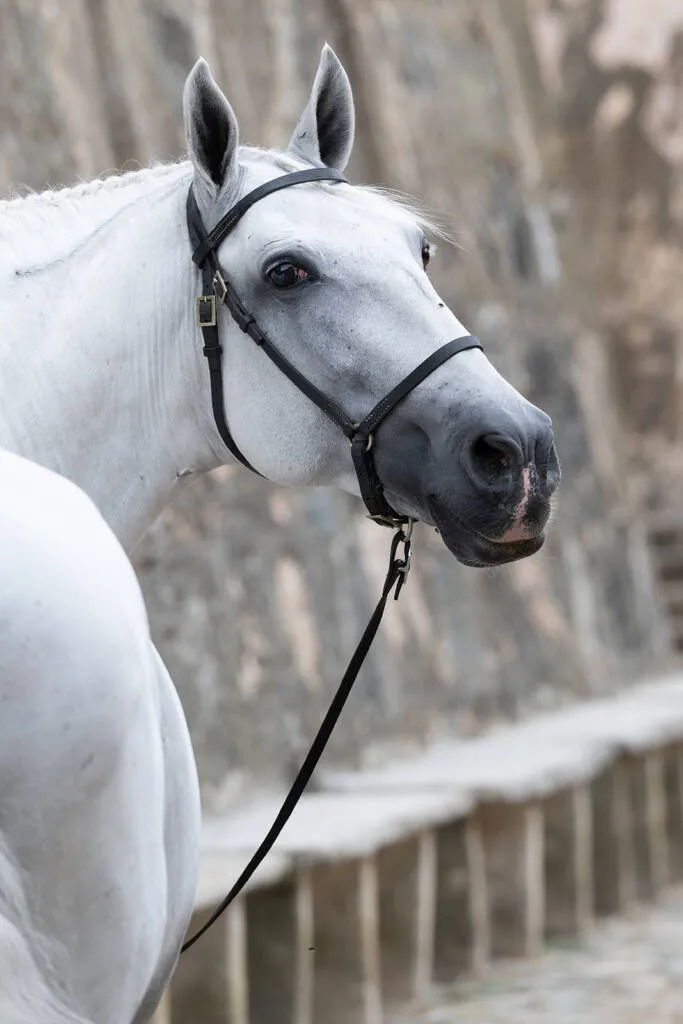
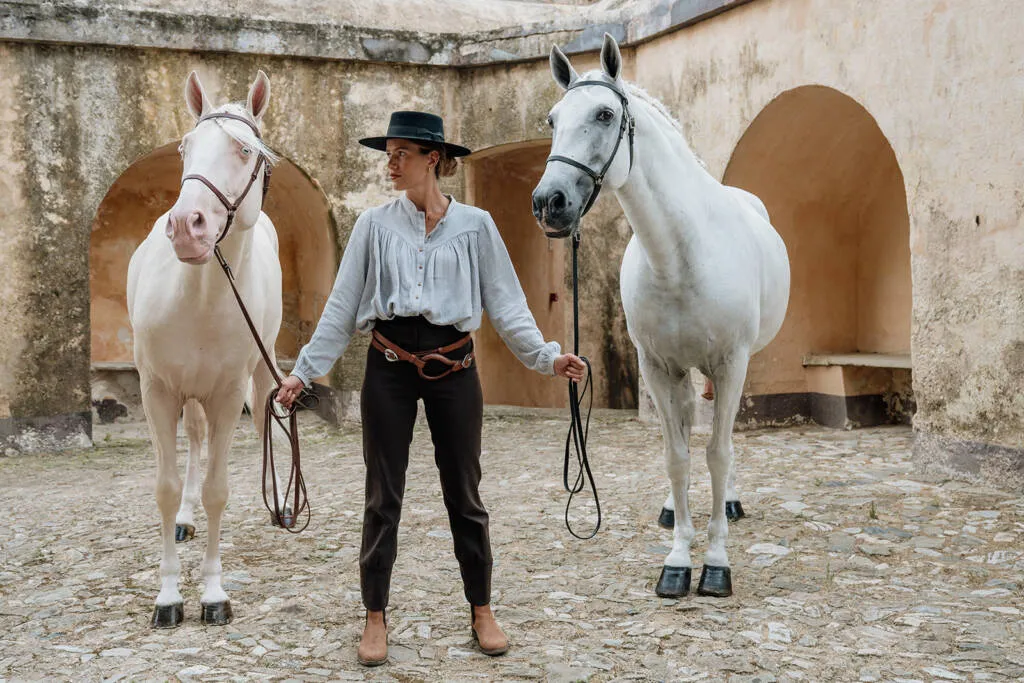
Conceived and organised by Lusitano Heritage, the photographic project formed the latest chapter in a story that began more than thirteen years ago with Casanova, a noble white Lusitano stallion, and Norwegian photographer Lena Saugen.
Casanova, was formerly owned by Coudelaria Vila Viçosa and is now with the Elvas-based breeder Fortunna Lusitanos. For more than thirteen years, he has been a recurring subject within Lena’s photographic journey through Portugal, developed alongside Lusitano Heritage.
He is not celebrated because of a list of major competitive titles. His importance lies in something more timeless. Casanova embodies the composure, intelligence, sensitivity and quiet nobility that have made the Lusitano such an important part of Portugal’s cultural identity.
“The Elvas project was created to continue his story while exploring a wider idea: the promotion of Portugal’s historic places through the language of its equestrian heritage”.
This connection has particular significance today. In 2024, Equestrian Art in Portugal was inscribed on UNESCO’s Representative List of the Intangible Cultural Heritage of Humanity. The recognition encompasses far more than riding itself. It acknowledges the relationship between horse and rider, the knowledge passed between generations, the work of breeders, riders, artisans and handlers, and the traditions, equipment and practices that surround the Lusitano horse.
Elvas offered an exceptional setting in which to express this living heritage.
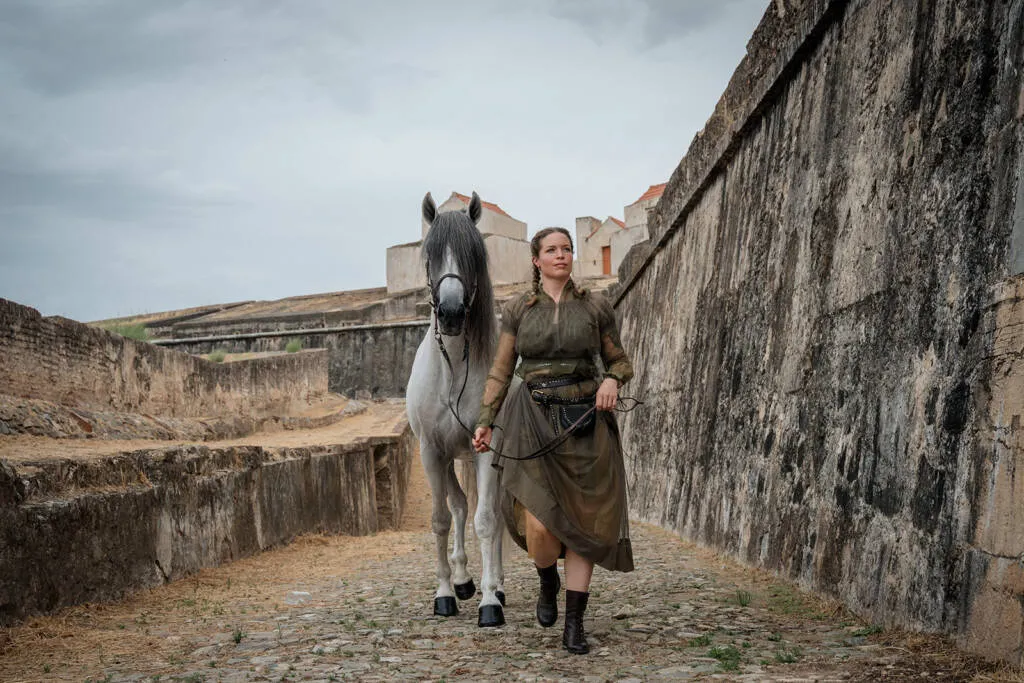
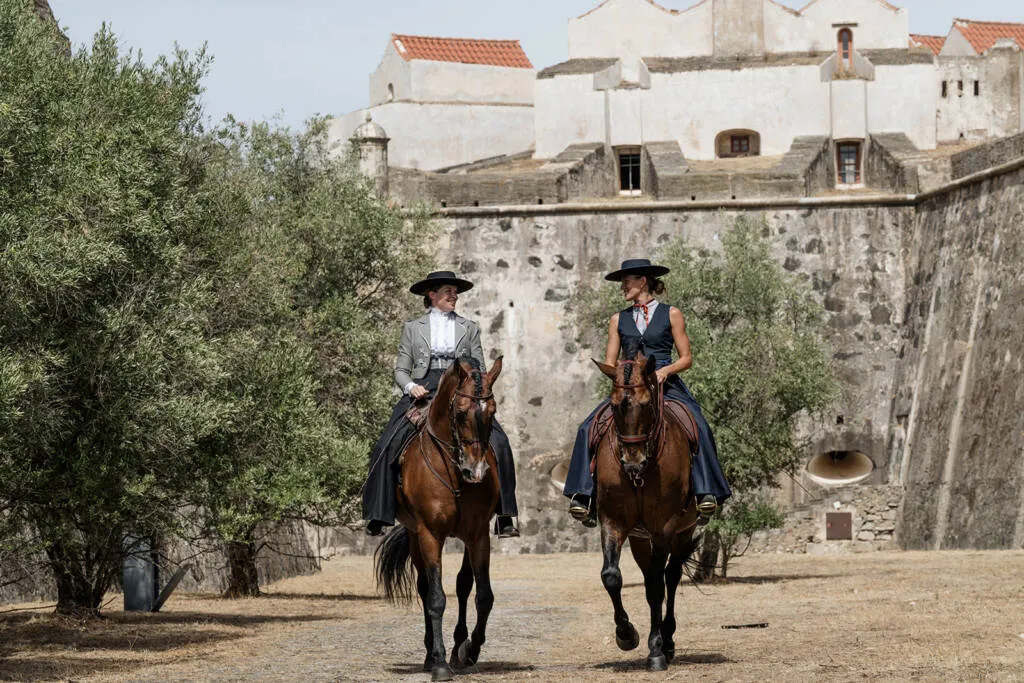
Standing on Monte da Graça, the Forte da Graça—also known as Forte de Lippe—is regarded as an outstanding example of eighteenth-century military architecture. Construction began in 1763 and was completed in 1792. Its monumental walls, bastions, gateways, passages, stairways, chapel and central redoubt offered an extraordinary variety of settings within a single historic monument.
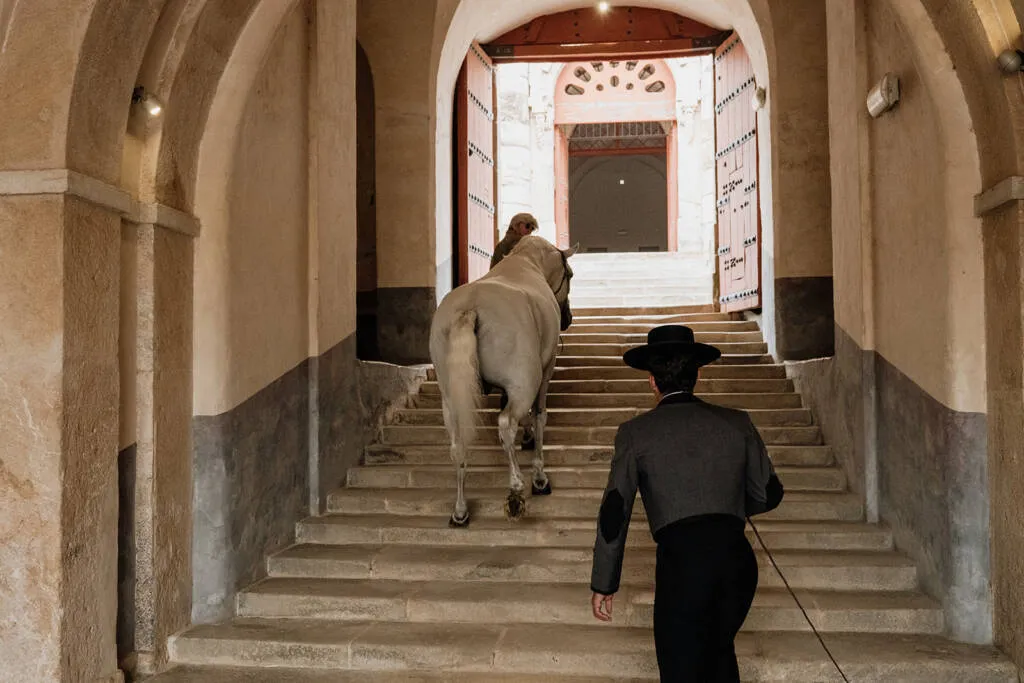
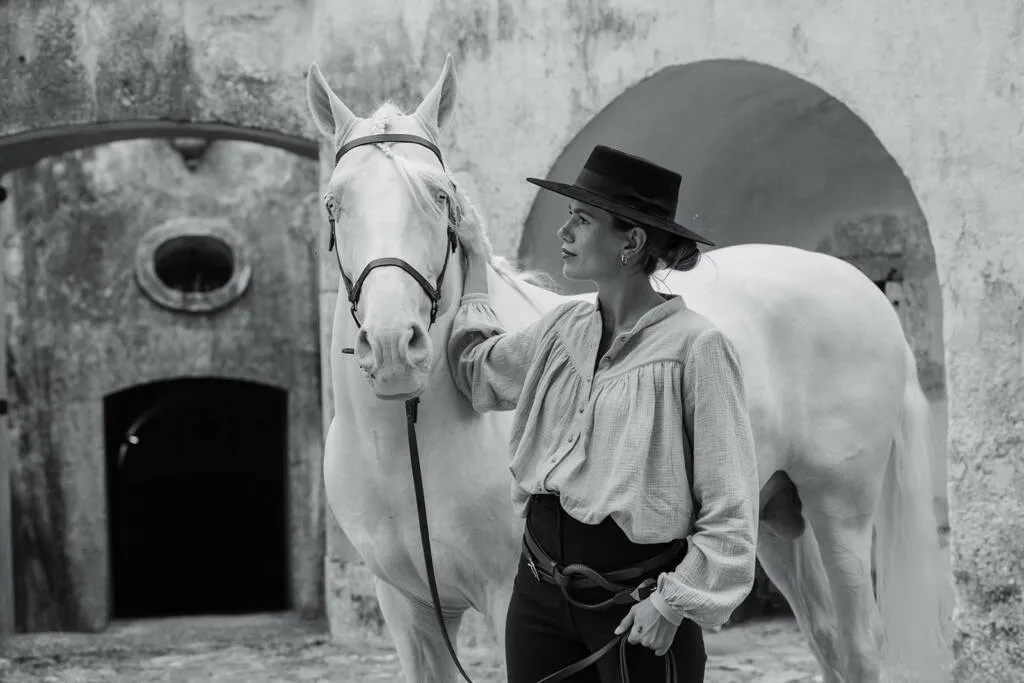
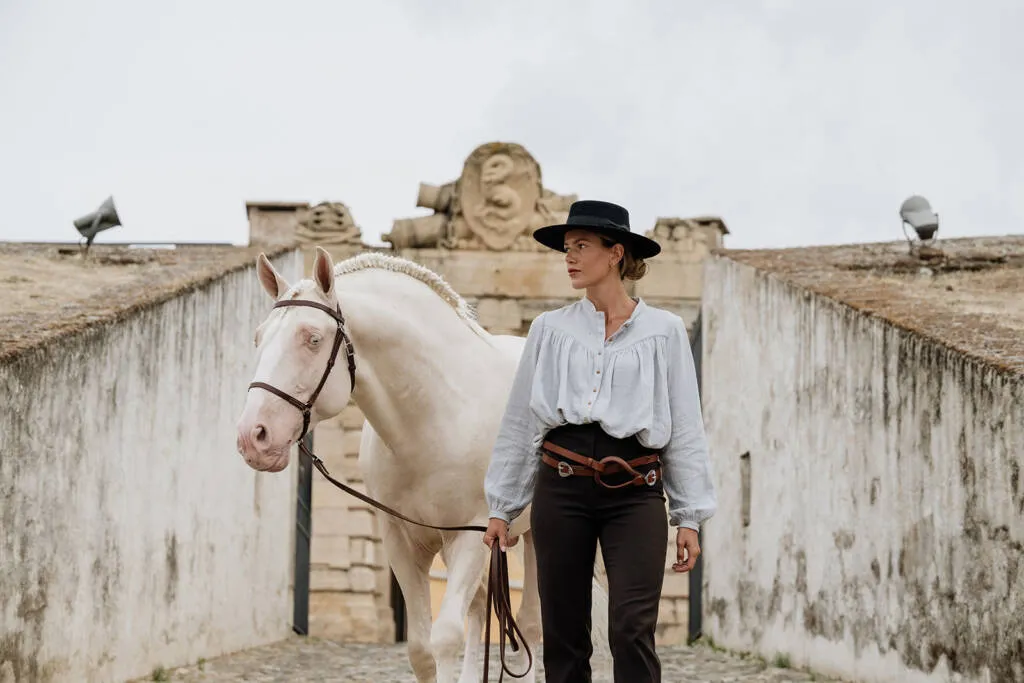
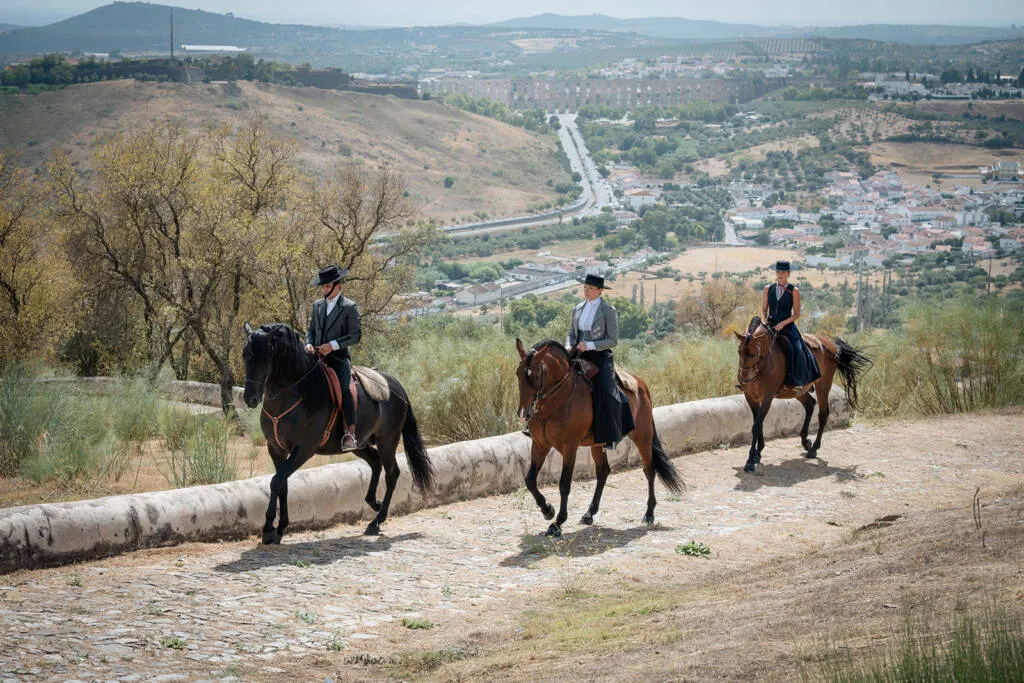
Although other locations in Elvas had originally been considered, the fort revealed so many remarkable perspectives that the entire photographic session took place within its walls. Each passage led to another composition; each doorway framed a different encounter between horse, human and architecture. As the light moved across the stone throughout the day, the character of the setting changed with it.
Image Casanova by Lena Saugen
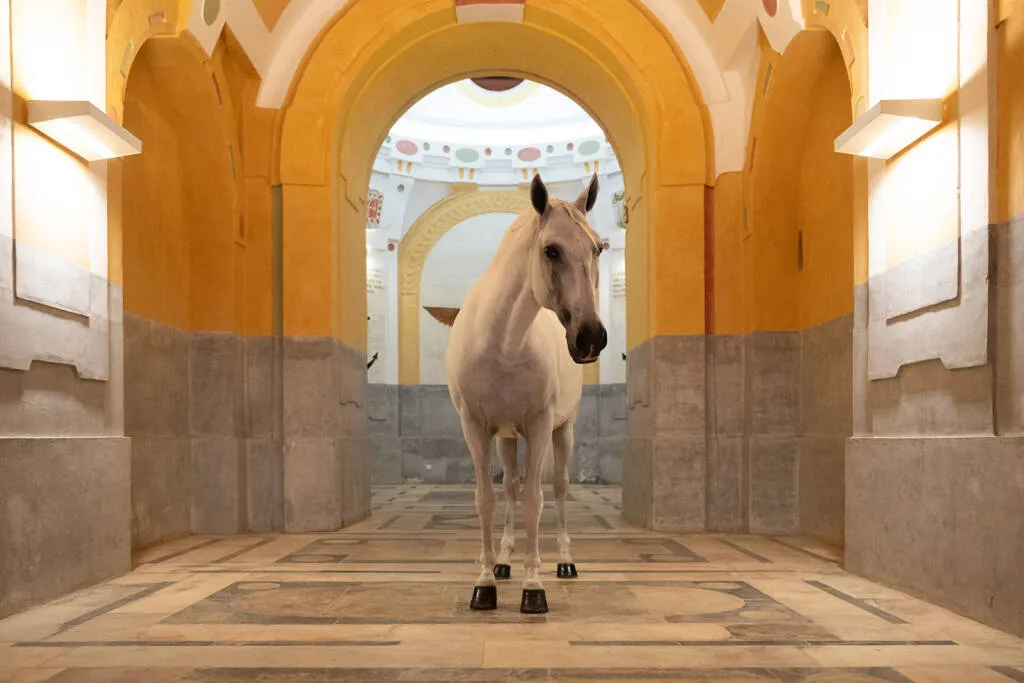
Fortunna Lusitanos
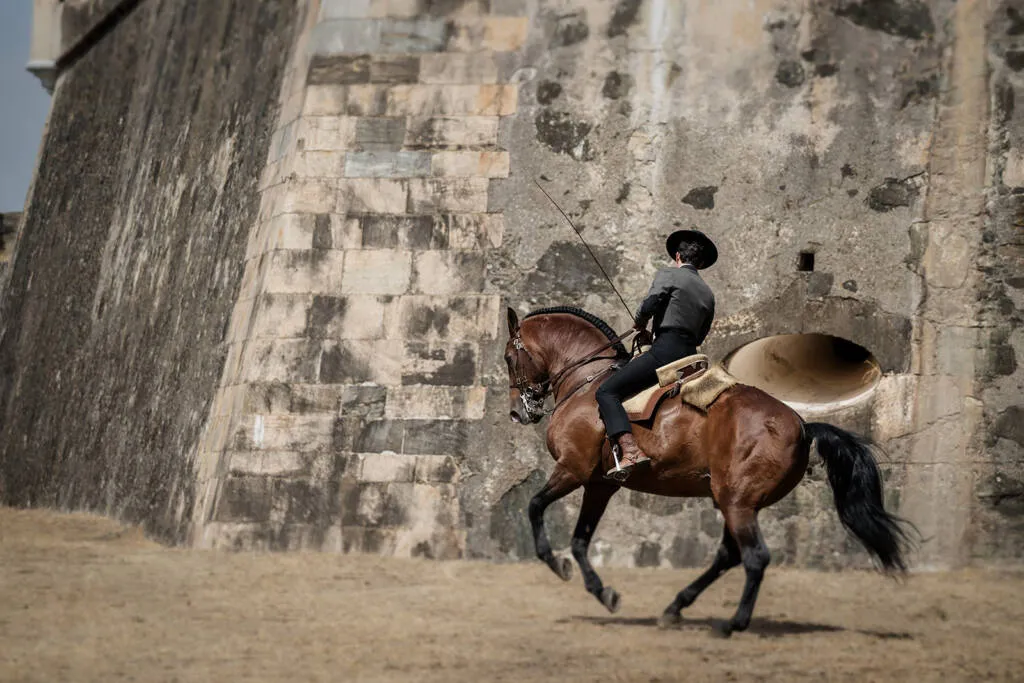
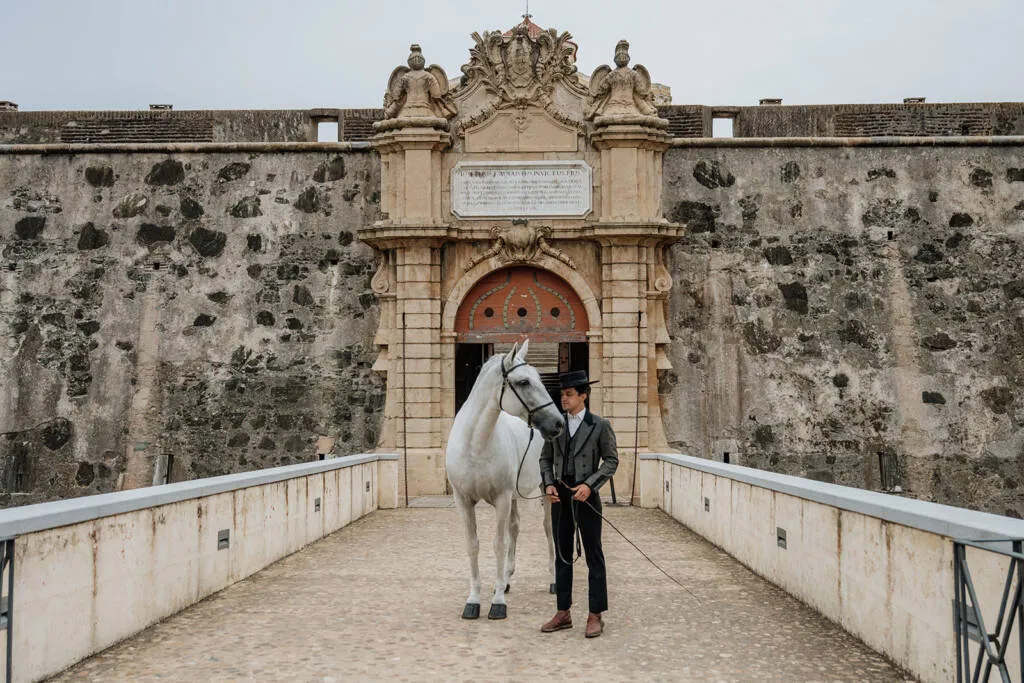
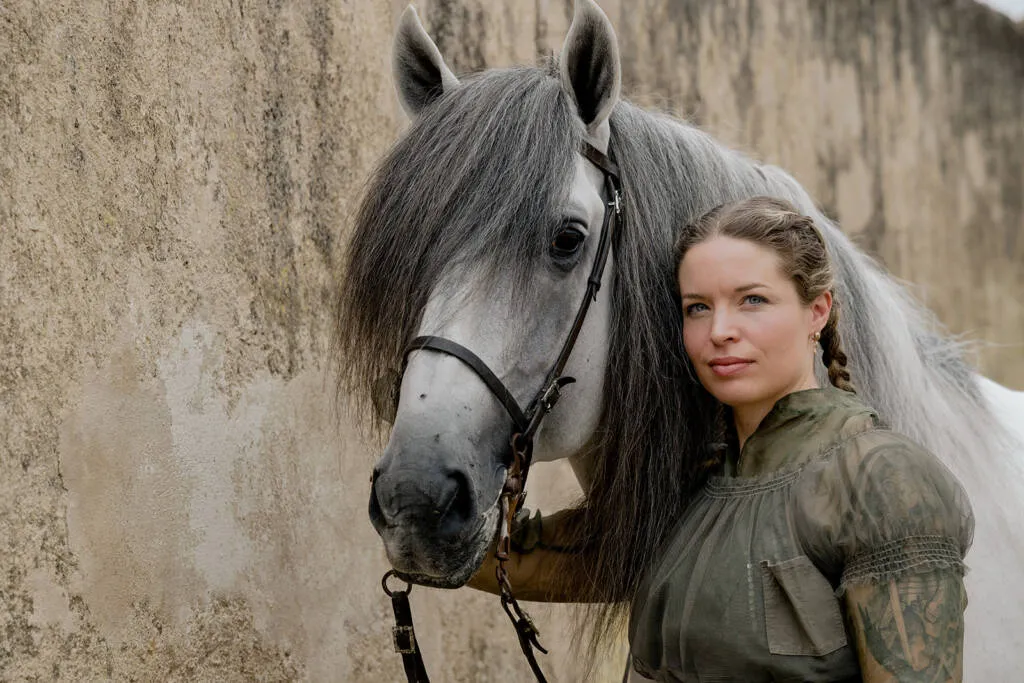
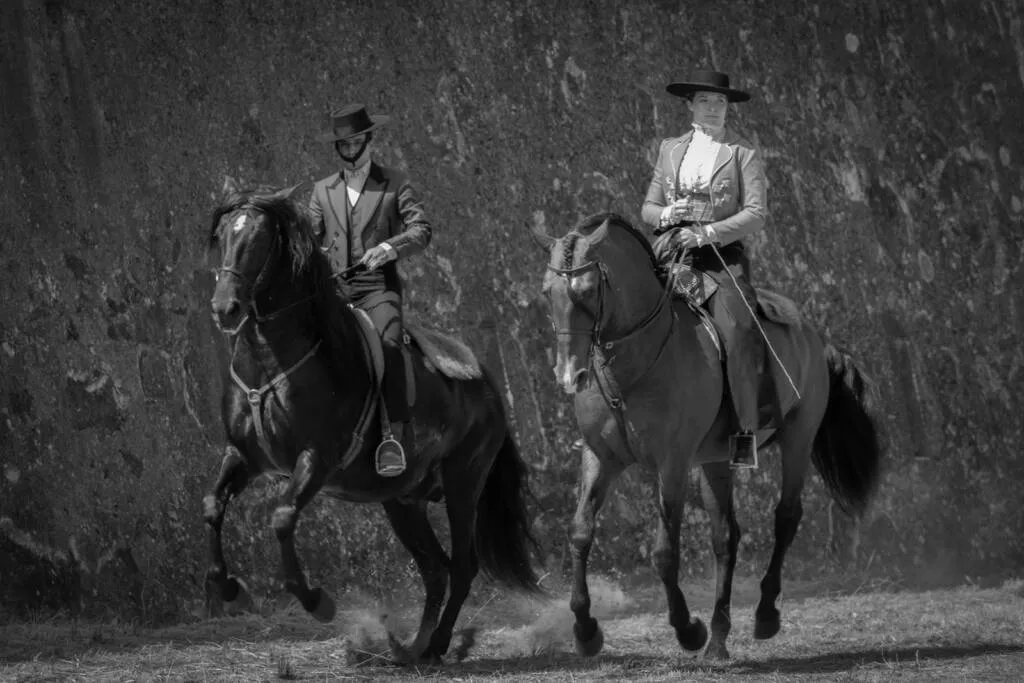
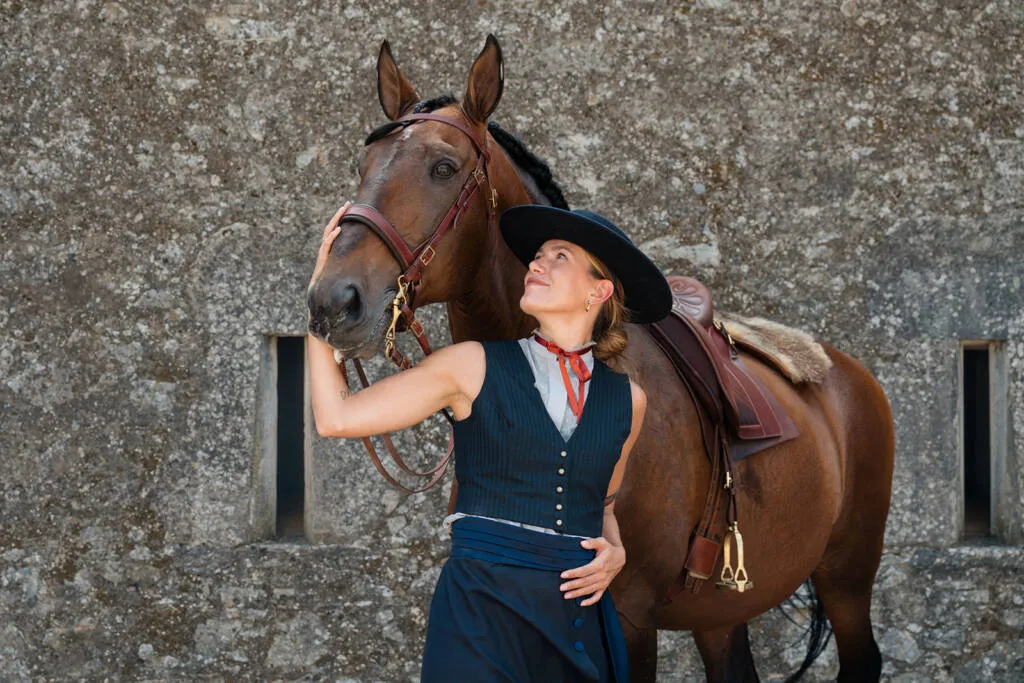
Fortunna Lusitanos, under the direction of Pedro Azeitona, brought a remarkable selection of Lusitano stallions to the fort. The horses appeared in a series of portraits, both ridden and in hand, throughout its exterior and interior spaces.
Transporting, preparing and working with several stallions within such a complex historic location required considerable organisation, skilled handling and close cooperation. Pedro and his team selected each horse carefully, provided the traditional Portuguese saddlery and ensured that the horses could be presented safely and calmly throughout the day.
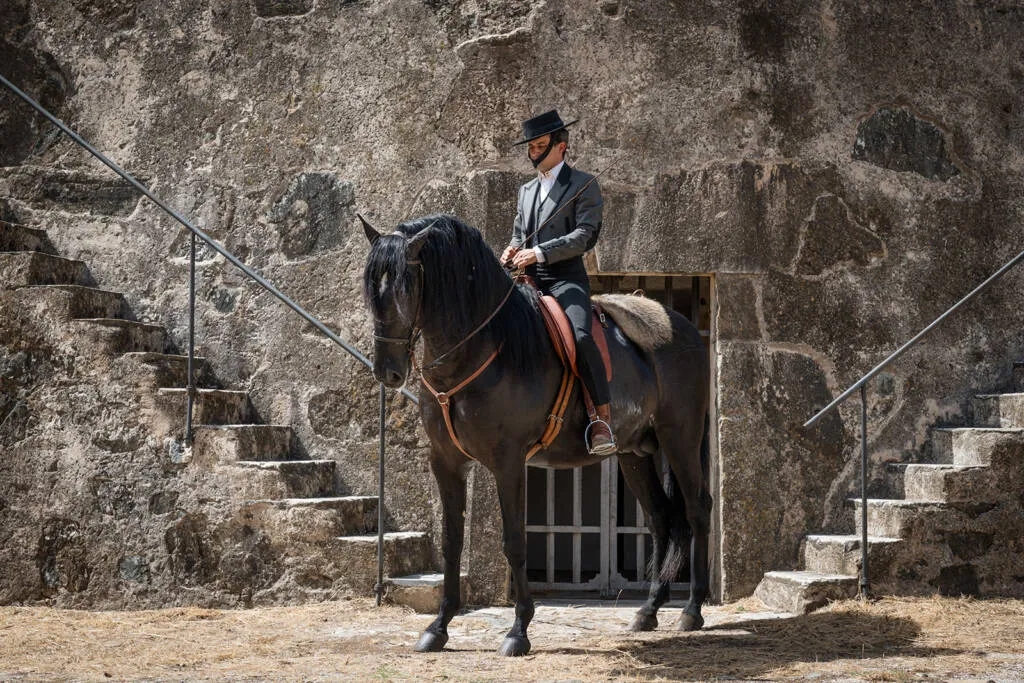
The Team and International Recognition
The models were Miguel Varanda, a rider with Fortunna Lusitanos; Liz Scott, originally from the United States and now based in the United Kingdom; and Anna-Lena Burgin, from Germany. Each brought genuine equestrian experience to the project. Their understanding of horses allowed the photographs to communicate authentic relationships rather than presenting the Lusitano merely as a decorative element.
The women’s costumes were created by Portuguese costume designer Silvia Teixeira. Together with the traditional Portuguese riding clothes and saddlery, they brought colour, movement and a further expression of Portuguese craftsmanship to the ancient stone of the fort.
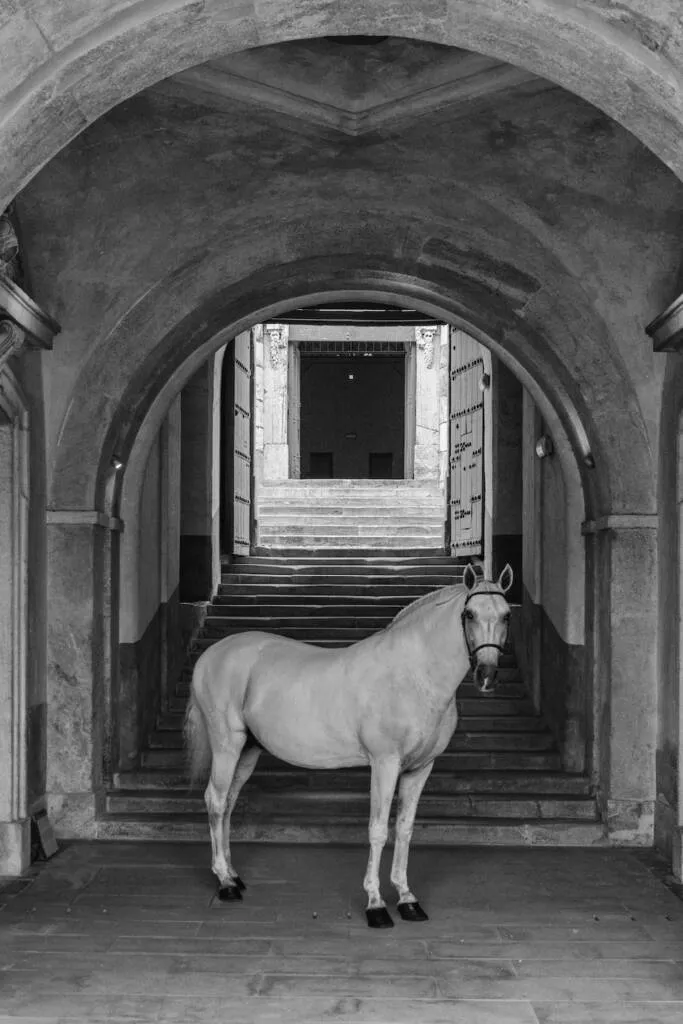
Casanova - The Old Soul
Behind the camera, Lena Saugen brought these elements together with the sensitivity that has characterised her work with Lusitano horses for many years. Her photography does more than record their appearance. It searches for their individual presence and for the often-unspoken relationship between horse, human and place.
Among all the memorable moments created that day, it was Casanova who brought the project back to its emotional centre.
He walked through the fort and climbed the stone steps leading into its chapel. There, surrounded by arches, restored colours and centuries of history, his bridle was removed. Casanova stood freely and quietly while Lena photographed him.
Nothing was forced. There was no dramatic performance. There was simply a white stallion standing peacefully within one of Portugal’s great historic monuments, completely trusting the people around him.
For those watching, the moment seemed to exist outside ordinary time. The stillness, dignity and atmosphere brought several members of the team to tears. After more than thirteen years in front of Lena’s camera, Casanova once again revealed exactly what makes him exceptional.
In that moment, he also reminded us of what is extraordinary about the Lusitano itself: strength without aggression, sensitivity without fear and nobility expressed not through spectacle, but through presence.
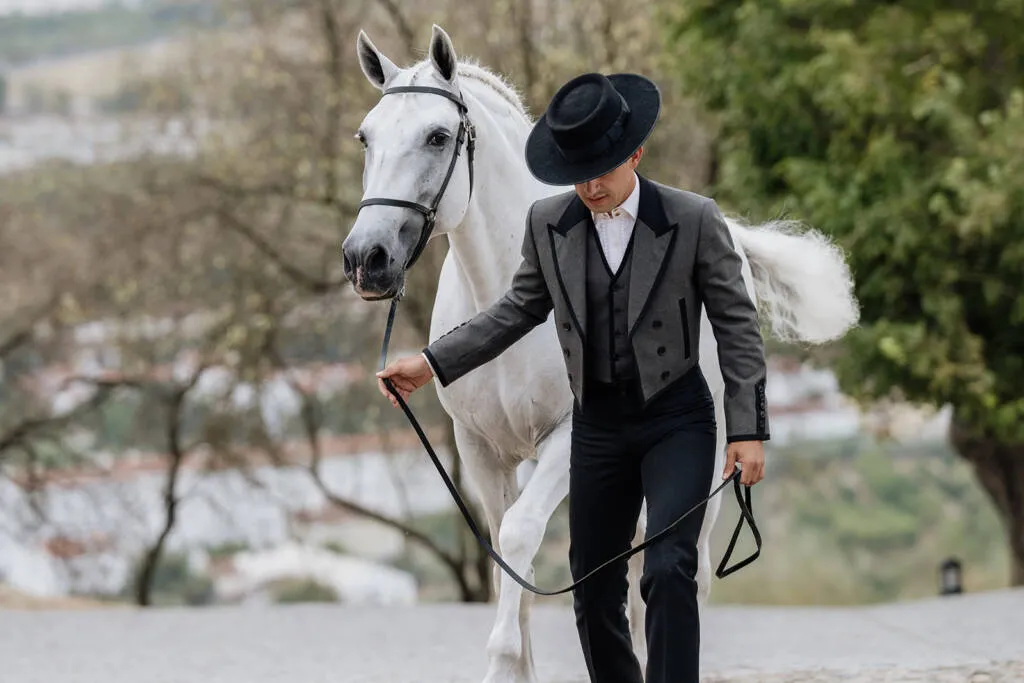
Lena is now developing an exhibition centred upon her photographic journey with Casanova and Portuguese heritage, intended for presentation in association with the Portuguese Ambassador to Norway. The images created in Elvas will become an important new chapter in that evolving story.
Lusitano Heritage is also exploring the creation of a photographic coffee-table book, a collection of cards and a series of fine-art prints celebrating the horses and the architecture of Forte da Graça. We hope that this project can continue through future visits, allowing us to photograph the Lusitano horse in other significant locations across Elvas and reveal further connections between the city’s heritage and Portugal’s equestrian identity.
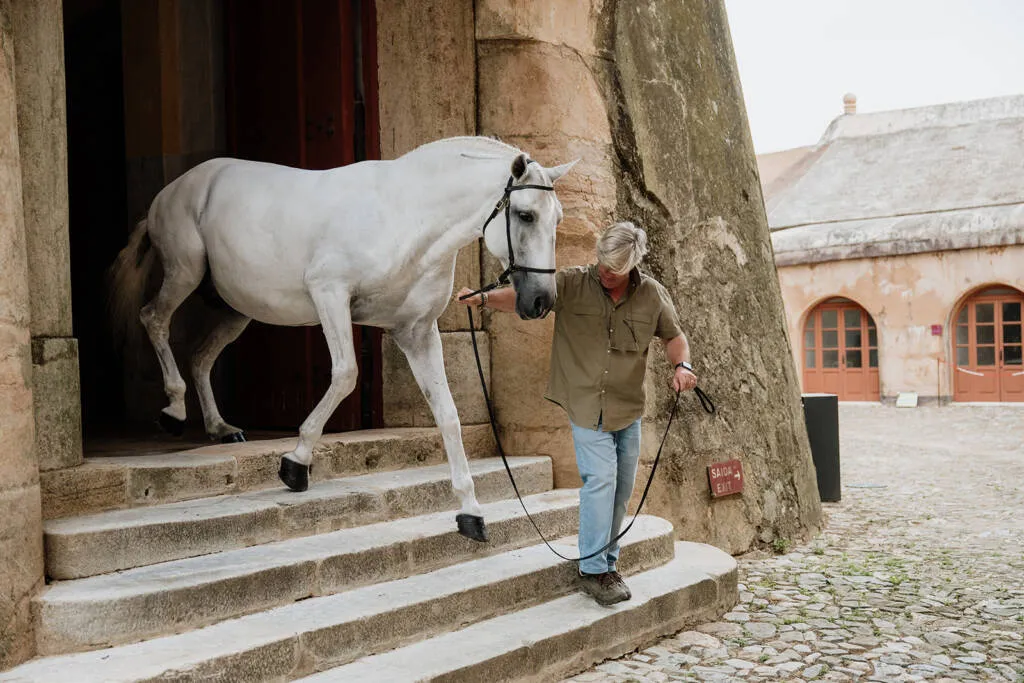
Our sincere thanks go to Vera Guelha and her colleagues at the Câmara Municipal de Elvas for their generosity, enthusiasm and practical support. Their assistance made it possible to bring horses, riders, models, costumes and photographic equipment into the fort and to work safely throughout this exceptional monument.
The resulting images are not an attempt to recreate one precise period of history. They are an interpretation of continuity: historic architecture preserved, traditional craftsmanship still practised, equestrian knowledge still passed between generations and an ancient Portuguese horse continuing to represent the character of the country from which it came.
“On that September day at Forte da Graça, these different elements became part of a single story.
For a few quiet and unforgettable moments, it seemed that the walls themselves were watching.”
Project concept, organisation and text: Teresa Burton, Founder, Lusitano Heritage
Photography: Lena Saugen, Norway
Assistant organiser: Dani Rodrigues Soares, Lusitano Heritage
Horses and traditional Portuguese saddlery: Pedro Azeitona and Fortunna Lusitanos, Elvas
Costume designers: Silvia Teixeira Blue Blouse, Riding Trousers, Boots and beltsRuth Røssevoll –Green Dress
Models: Miguel Varanda, Liz Scott and Anna-Lena Burgin
Location: Forte de Nossa Senhora da Graça, Elvas
With special thanks to: Vera Guelha and the team of the Câmara Municipal de Elvas