

Our Craftspeople
Made in Portugal. Shaped by Tradition.
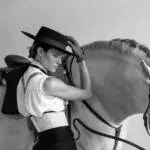
Portuguese equestrian culture has always been carried not only by riders and horses, but by the hands of the people who make the objects around them.
Saddlers, leather workers, metalworkers, tailors, embroiderers, ceramicists and makers have created the practical and decorative pieces that form part of Portugal’s equestrian identity.
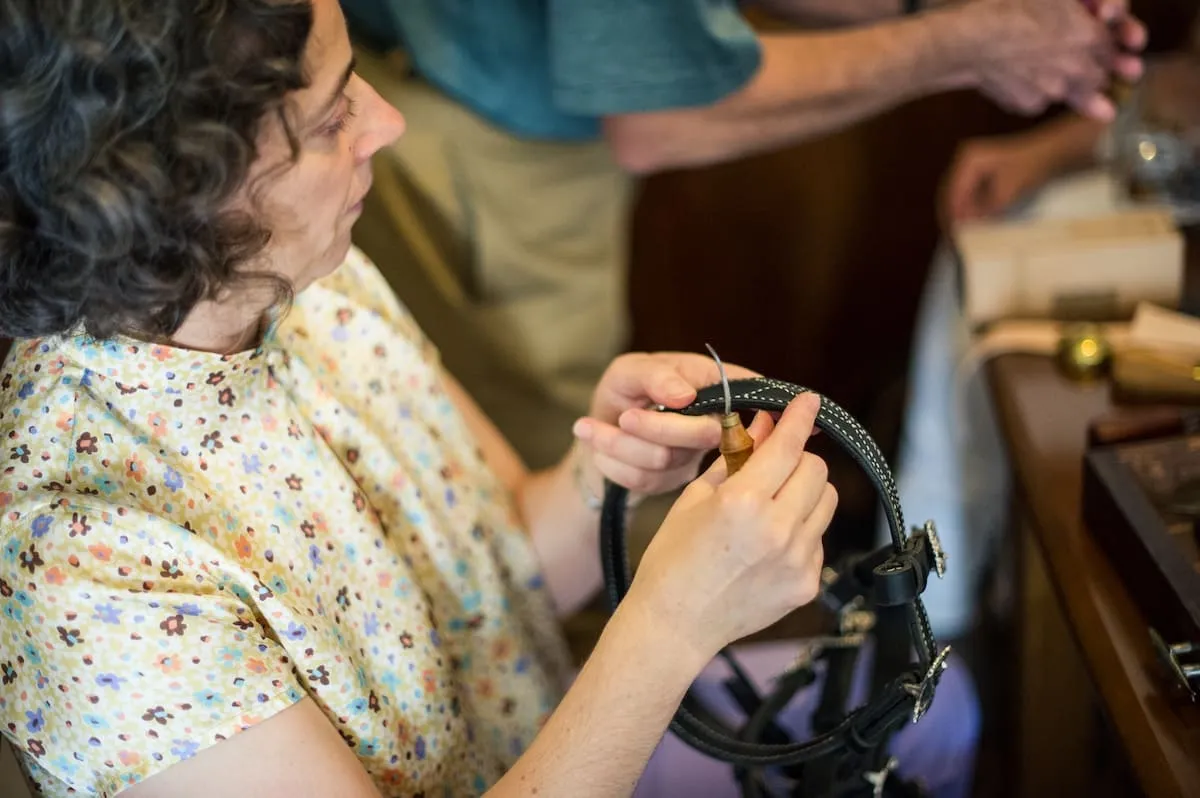
A bridle, a buckle, a riding jacket or a piece of hand-worked leather may appear simply functional. Yet behind it can sit generations of knowledge — choices of material, proportion, technique and detail refined through years of use.
At Lusitano Heritage, we believe these skills are part of the heritage itself.
The Hands Behind the Heritage
Portuguese equestrian culture has always been carried not only by riders and horses, but by the hands of the people who make the objects around them.
Saddlers, leather workers, metalworkers, tailors, embroiderers, ceramicists and makers have created the practical and decorative pieces that form part of Portugal’s equestrian identity.
A bridle, a buckle, a riding jacket or a piece of hand-worked leather may appear simply functional. Yet behind it can sit generations of knowledge — choices of material, proportion, technique and detail refined through years of use.
At Lusitano Heritage, we believe these skills are part of the heritage itself.
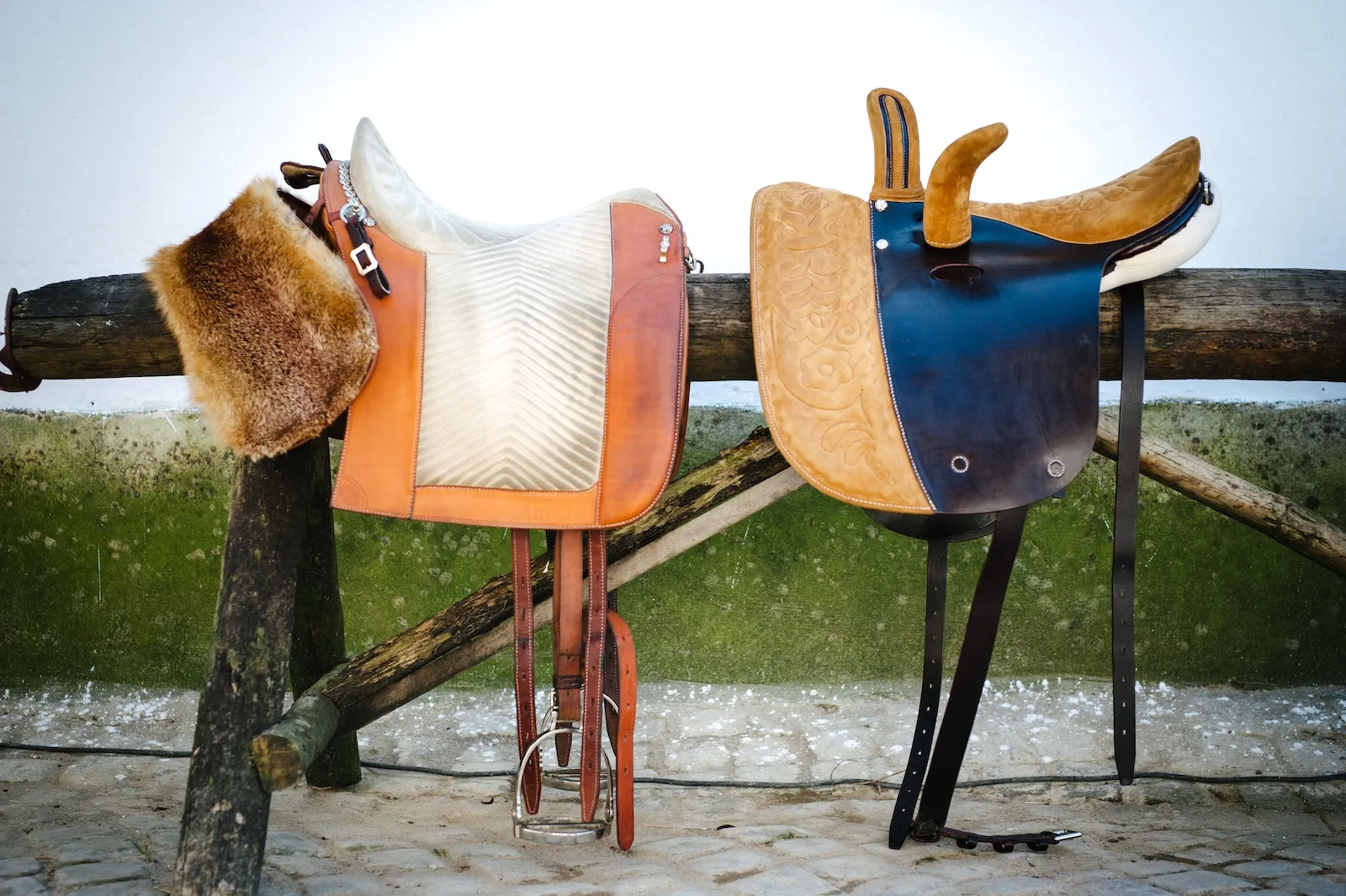
Portuguese Saddlery
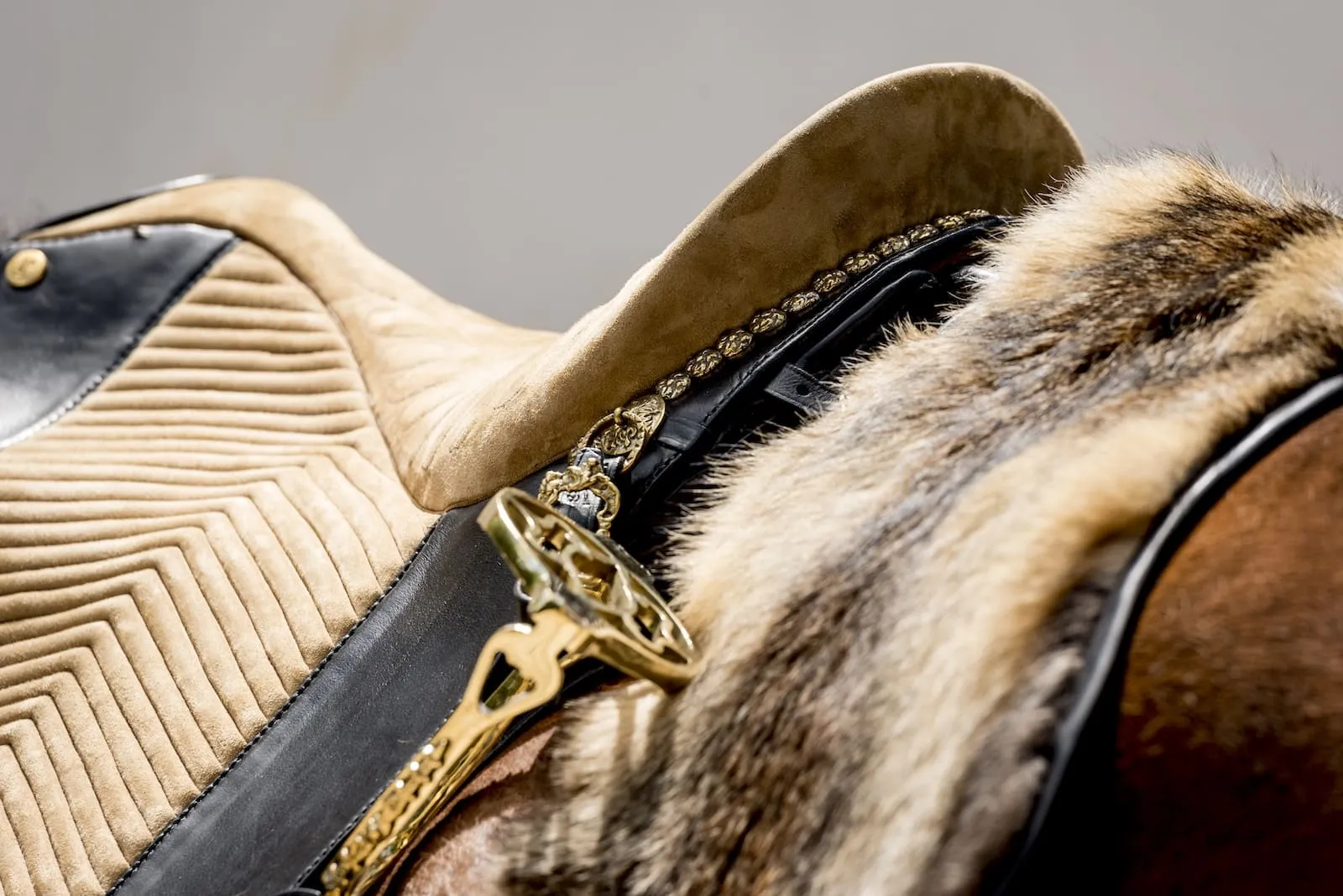
Traditional Portuguese tack has a distinctive character.
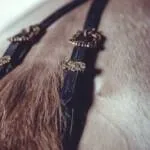
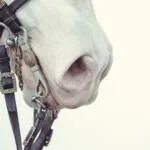
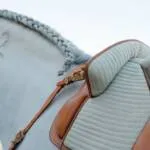
Leatherwork, decorative stitching, buckles, metal fittings and proportions evolved through generations of practical horsemanship.
Some pieces remain almost entirely traditional. Others are being quietly adapted for modern riders while retaining the beauty and craftsmanship of their origins.
Explore Portuguese Saddlery→
Riding Costume & Textile Traditions
Portuguese equestrian dress is equally rich in history.
From classical riding costume to regional traditions, textiles and clothing have always formed part of how horses and riders are presented.
The craftsmanship may lie in cut, embroidery, hand finishing, fabric choice or the preservation of a silhouette that immediately speaks of Portugal.
Discover Portuguese Riding Costume→
Leather & Metalwork
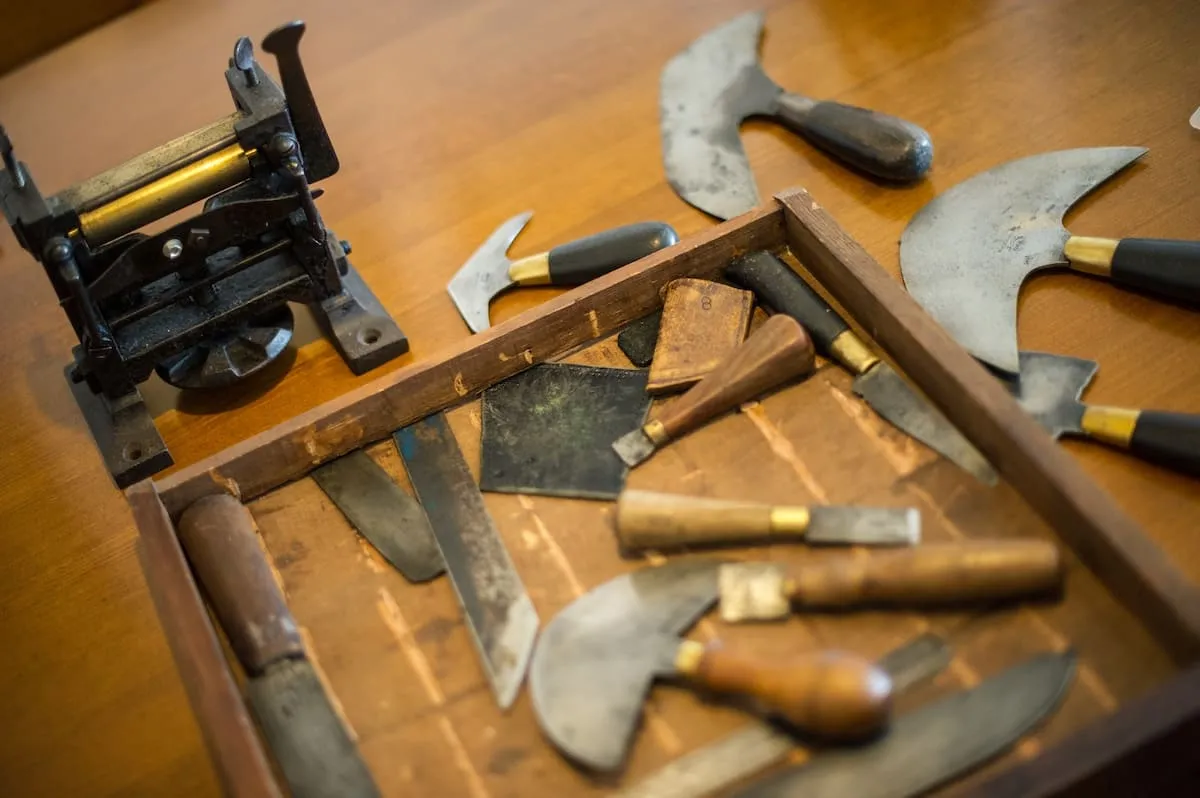
A beautifully made buckle or piece of leatherwork can carry the same cultural story as a painting or photograph.
These objects were designed to be used — often daily — and this combination of practicality and beauty is one of the qualities we most value.
Through Lusitano Heritage we want to work with makers who understand material, longevity and detail, developing pieces that remain rooted in Portuguese tradition while belonging comfortably in contemporary life.
From Tradition to Contemporary Design
Preserving heritage does not mean freezing it in time. Living traditions survive because they continue to evolve.
Our intention is to work collaboratively with Portuguese makers and designers to reinterpret selected elements of traditional equestrian craftsmanship for a contemporary audience — always acknowledging their origins and respecting the skills behind them.
A historic buckle may inspire a belt. Traditional leatherwork may become a bag.A riding costume detail may influence a jacket.
A form found in Portuguese ceramics may appear in an object designed for the home. The connection may sometimes be subtle, but the source remains authentic.
A different kind of shop
The Lusitano Heritage Shop is not intended simply to sell equestrian products.
It is an extension of our work celebrating Portugal — its horses, craftsmanship, materials and traditions.
Wherever possible, we want the objects we offer to carry a story: who made them, where they were made, what inspired them and why the skill behind them matters.
Supporting living heritage
Buying something made by hand can do more than acquire an object.
It can help keep a workshop active, preserve a skill, give a younger maker a reason to continue a tradition and connect someone on the other side of the world with a small piece of Portugal.
That is why we see craftsmanship not simply as retail, but as another form of preservation.
Meet Our Craftspeople→
Visit the Heritage Shop→
Explore Portuguese Equestrian Heritage→