Naming the Lusitano
More Than Just a Name
Every registered Lusitano carries a name that tells a story.
Unlike many horse breeds, the Lusitano follows a traditional naming system that can reveal valuable information about the horse. Simply by looking at its name, an experienced breeder or enthusiast may be able to identify the horse’s year of birth, recognise its sire, and even discover the stud where it was bred.
Although not every breeder follows every tradition, these naming customs remain an important part of Portuguese equestrian heritage and provide a fascinating insight into the history of the breed.
1. The First Letter Reveals the Year of Birth
One of the most distinctive features of the Lusitano naming system is that every registered horse begins its name with a letter assigned to its year of birth.
This allows breeders, judges and enthusiasts to estimate a horse’s age immediately, simply by knowing its name.
For example:
- Horses born in 2024 begin with U
- Horses born in 2025 begin with V
- Horses born in 2026 begin with X
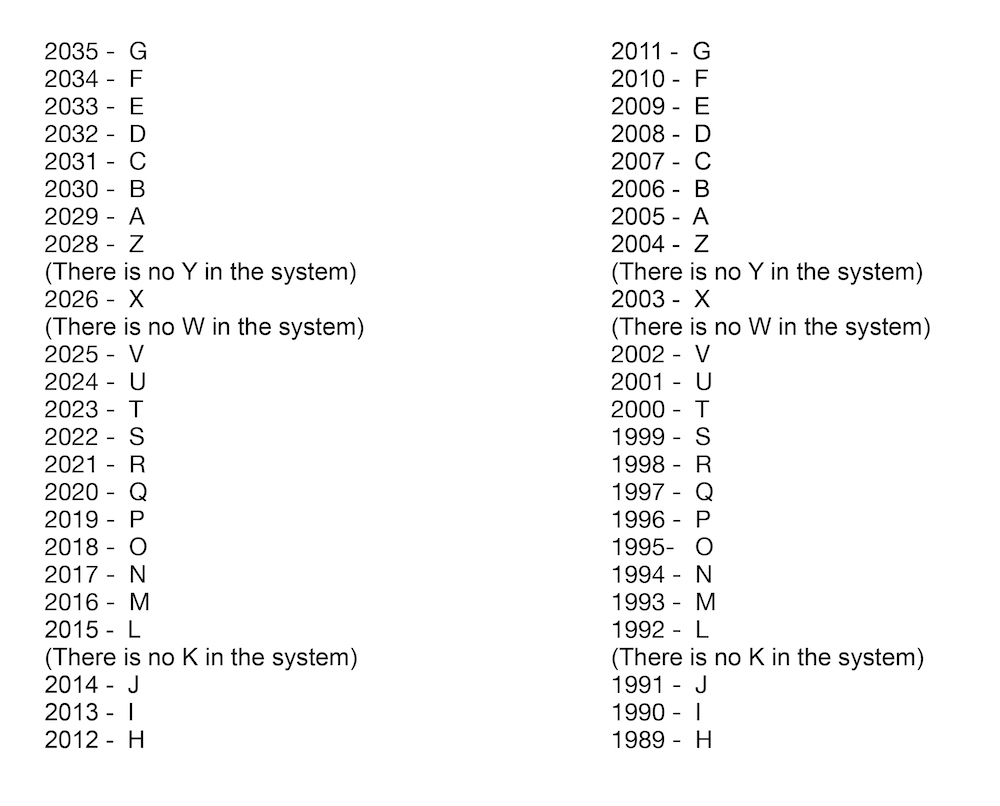
The sequence continues alphabetically, although the letters K, W and Y are omitted as they are not traditionally part of the Portuguese alphabet.
See the complete Year Letter Guide below.
2. Some Names Honour the Sire
Many Portuguese breeders also choose names that acknowledge the horse’s father.
Although this is not a requirement of the Stud Book, it is a long-standing tradition. Often the second syllable or an important letter within the foal’s name reflects the first letter of its sire’s name, creating a subtle family connection across generations.
For example, offspring by the influential stallion Xaquiro often incorporated the letter X within their names, while other breeders have used similar naming traditions with stallions such as Rico, allowing knowledgeable enthusiasts to recognise family lines at a glance.
Not every breeder follows this practice, but it remains a popular and respected tradition.
3. The Stud Name Becomes Part of the Horse's Identity
Many Portuguese studs also include the name of their breeding farm as a suffix, rather like a family surname.
This allows the horse’s origins to be recognised immediately and reflects the pride breeders take in their breeding programmes.
Examples include:
- Beduíno da Lagoalva — bred by Coudelaria Lagoalva
- Ben-Hur da Broa — bred by the historic Veiga Stud at Quinta da Broa
- Xenofonte d’Atela — bred by Lusitanos d’Atela
- Zinque das Lezírias — bred by Companhia das Lezírias
These names celebrate not only the horse itself but also the heritage and reputation of the stud that produced it.
A Tradition That Continues Today
While modern breeders may adapt these traditions in different ways, the Lusitano naming system remains one of the breed’s most distinctive characteristics.
Every registered name carries with it a connection to Portuguese history, careful breeding and generations of horsemanship—another reminder that the Lusitano is not simply a horse, but part of a living cultural heritage.
This chart gives you the Letter and the Year